Top-rated natural way to improve sleep during cannabis detox
Cannabis, and concentrates of THC, are often used for sleep issues like insomnia. However, like many medications, over time, increased doses are needed to achieve the same effects.
If you’re reading this you probably already have done a lot of searching and seen the common withdrawal effects of weed, including insomnia as well as vivid or disturbing dreams, anxiety and irritability.
Not everyone knows that there are withdrawal effects. A common pitfall I see in my office is someone stopping cannabis, thinking that the rebound effects or even withdrawal is their natural state “I’m not a good sleeper without THC” or “I need it to sleep because my sleep is terrible without it” but with a little strategic support from a qualified provider, they’re able to sleep well naturally. (1)
While weed/cannabis/THC, especially gummies, are marketed as a sleep aid, the first line recommended treatment is not a supplement or medication at all.
The top-rated approach is a completely natural way of helping the body’s own sleep mechanism heal, called CBT-I.
Supplements and medications often wear off over time. In the short term, they can be helpful, but in the long term they can backfire with rebound effects, worsening sleep through insomnia and dreams.
Instead, by helping your body heal from sleep issues using a natural method, using your body’s own internal processes, the body re-learns great sleep and you get to discover the positive impact that great, restful sleep can have, for the long term. Instead of building a tolerance, or having to go through withdrawal, those who completed CBT-I to help their body heal experienced continued improvements over a dedicated later with no needed increased dosages or detox breaks.
This gold standard, first line recommended approach to sleep issues (CBT-I), is a natural way of healing the body’s own sleep mechanism.
The full name of CBT-I is Cognitive Behavioral Therapy for Insomnia. While there are a few similarities, this is different from the classic talk therapy approach called Cognitive Behavioral Therapy (CBT).
Instead of talking about the sleep difficulties, this process is about making strategic, (but counterintuitive) changes that help the body heal, so you can feel better about sleep, because you’ve had a different experience of sleeping well. The exact strategy takes your unique situation, and you as a whole person into account.
For those with a background in psychology, here’s a more technical explanation: CBT-I uses classical conditioning, circadian rhythm supporting strategies, and approaches similar to exposure therapy for phobias to help you have a very different experience with sleep. For example, it’s common to hear "I used to struggle to feel sleepy, but now I struggle to resist sleep and stay awake at bedtime.” This radically different experience with sleep, plus all the other conditioned associations and stronger circadian rhythm, helps one heal from insomnia.
There are a few different options for integrating this natural approach with a cannabis detox. This is based on your unique needs and preferences. In general, CBT-I can be done before, during or after the detox.
Talking with an informed healthcare provider trained in the approach is the first step.
You can schedule a private consultation here
If you’re using THC for sleep, but still not sleeping that well anyway, CBT-I can help to go from not sleeping well to feeling more confident and rested with sleep, and better prepared to cut back when you’re ready. (1)
You can also wait until after the withdrawal effects have ended, the address any remaining sleep difficulties with the gold standard approach, CBT-I.
There are also numerous options in between. Talking to a CBT-I provider can help you figure out the best one for you.
How long does Cannabis withdrawal last?
Usually the effects on sleep peak in the first 1-2 weeks, but can last 4+ weeks. (1)
The first step toward healing your natural sleep mechanism is a free private consultation to talk through your questions and concerns.
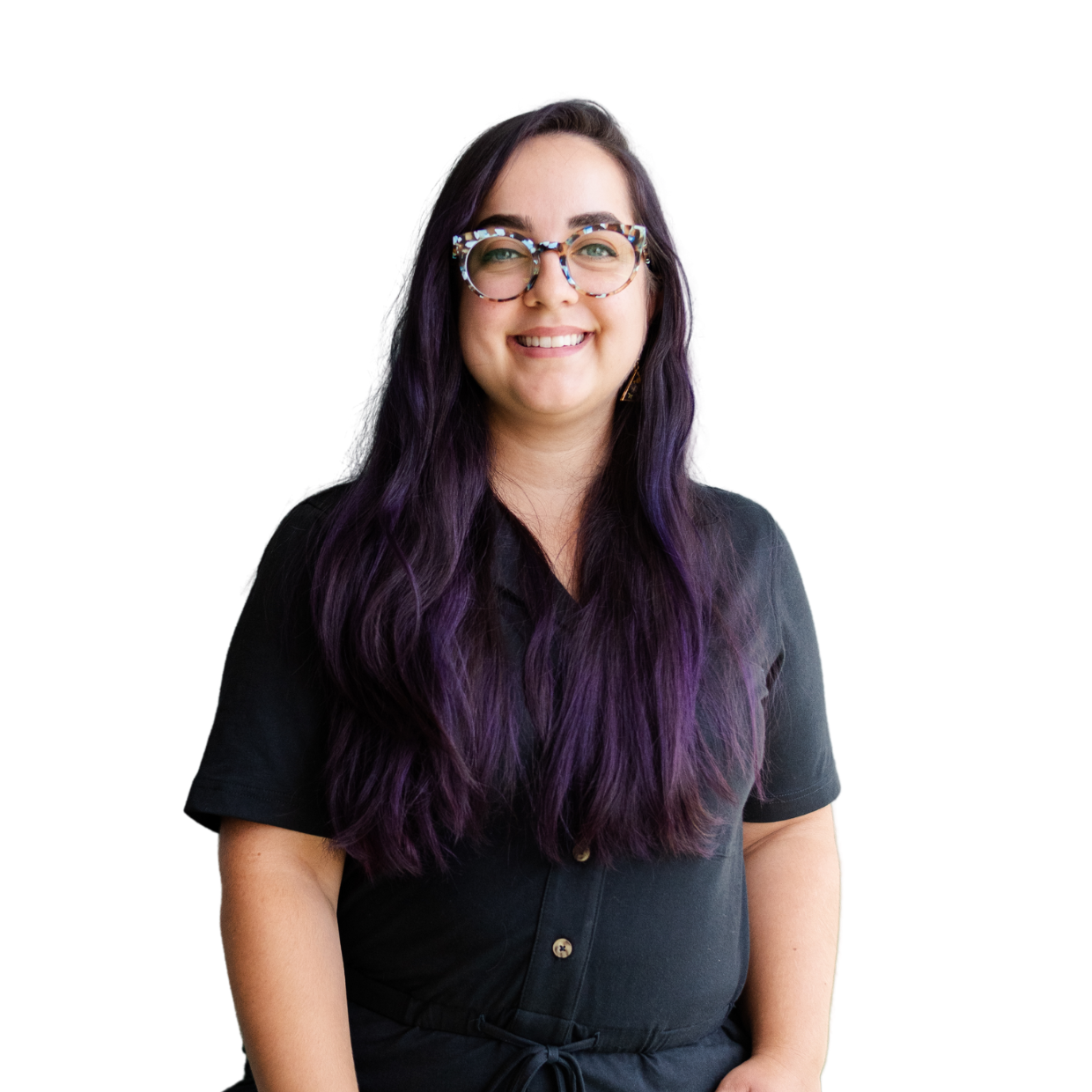
About the Author:
I’m Kasryn (Pronounced Kaz-Rin). I’m a licensed mental health therapist specialized in helping people heal sleep difficulties, including sleep difficulties associated with a cannabis detox or withdrawal.
References
(1) Zoe Panchal, “Navigating Patient Cannabis Use in Behavioral Sleep Medicine Practice” (webinar, Society of Behavioral Sleep Medicine, Online, May, 20th, 2026) https://www.behavioralsleep.org/index.php/sbsm-educational-opportunities/webinars-directory